Product designer crafting consumer tools that turn complex goals into structured, actionable workflows.
Selected work,
UX,
Visual
Stride
AI / Workflow / Execution System
2026
Product
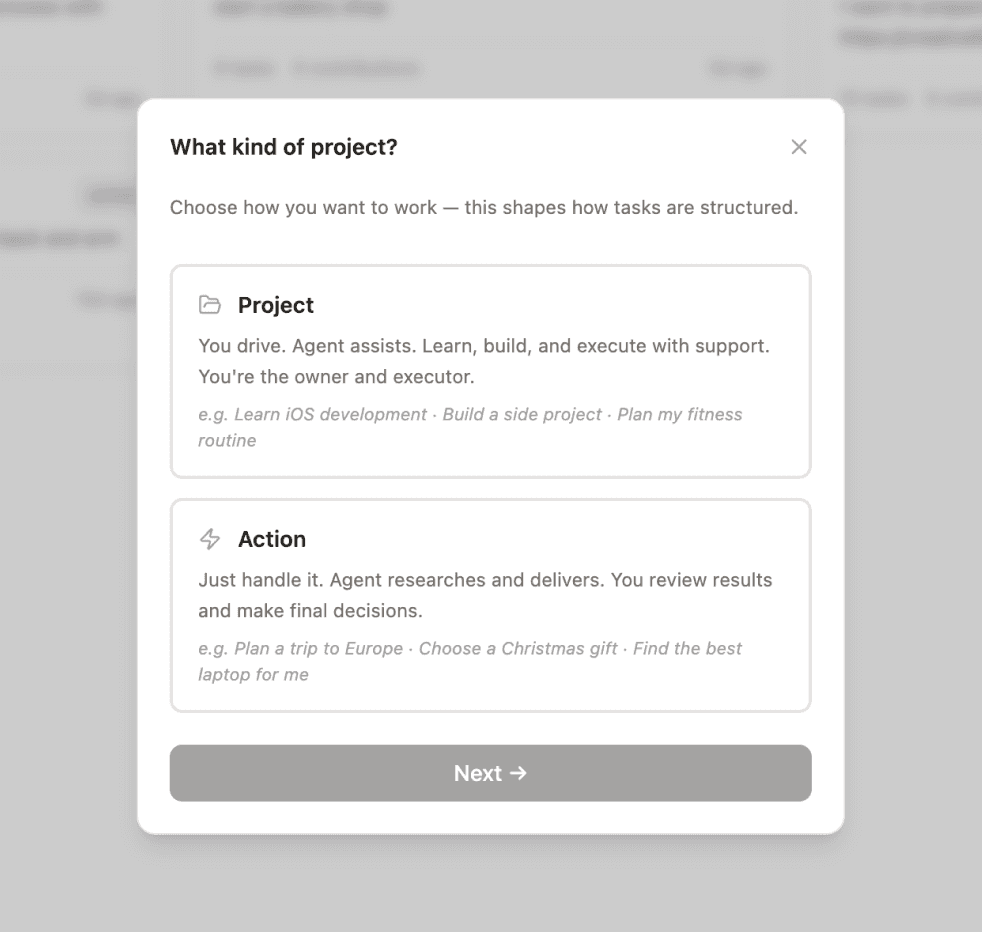
An AI-powered tool that turns goals into step-by-step actions while keeping the process transparent and controllable
My Role
Product Designer & Builder
0 → 1 Product Concept + Prototype
Timeline: 3–5 days
Tools: Claude Code, AI agents
Outcome
Built a working prototype in days using AI-assisted development
Transformed abstract goals into structured execution flows
Identified a key gap in current AI agents: lack of process transparency
a workable prototype
blend into my personal process
Problem
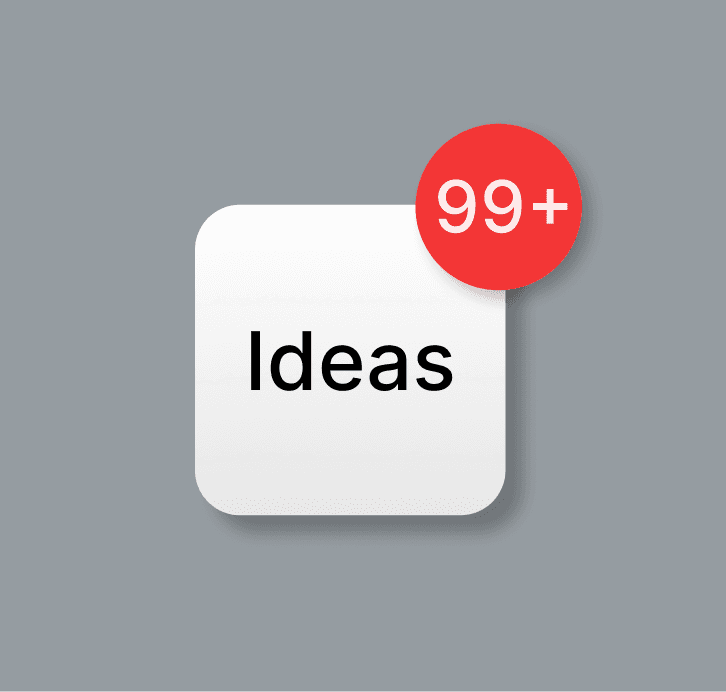
Ideas are easy to generate, but hard to execute.
Most tools help store ideas, but fail to move them forward. At the same time, AI agents can execute tasks from a single prompt, but remove visibility and control from the user.
This creates a gap between intention and execution.
What Stride Does
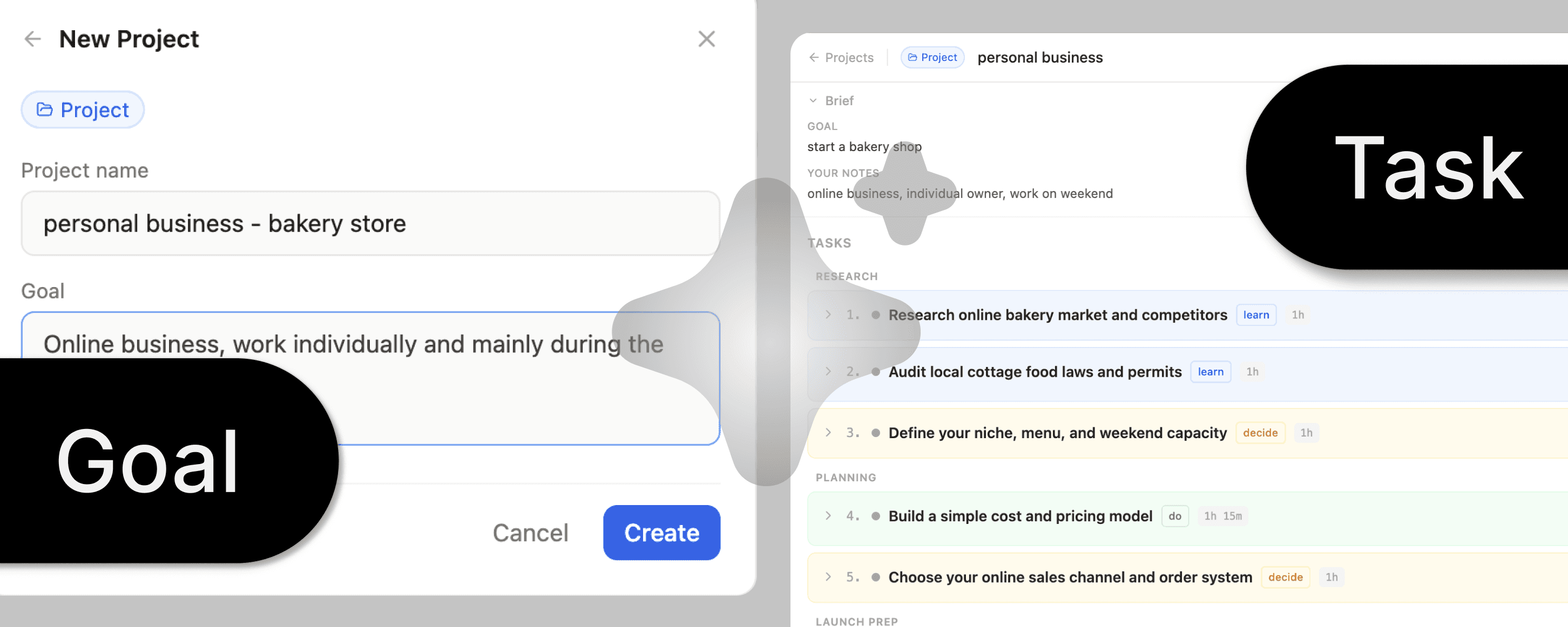
Stride bridges this gap by turning goals into structured, transparent action plans.
Instead of replacing the user, it works alongside them, breaking down intent into steps while keeping the process visible and adjustable.
Core Experience
Input → Intent
AI Structuring
Execution with Visibility
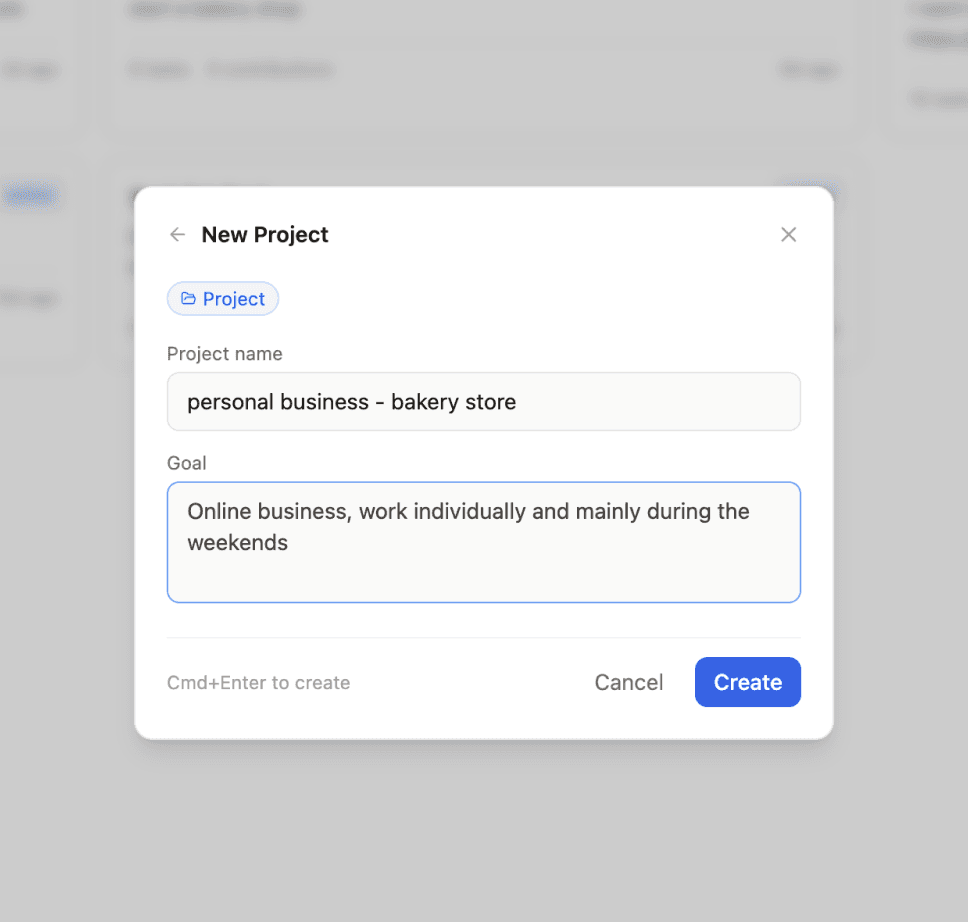
Input → Intent
Users start with a vague goal:
“Start a bakery”, or
“Build a social media presence”
AI Structuring
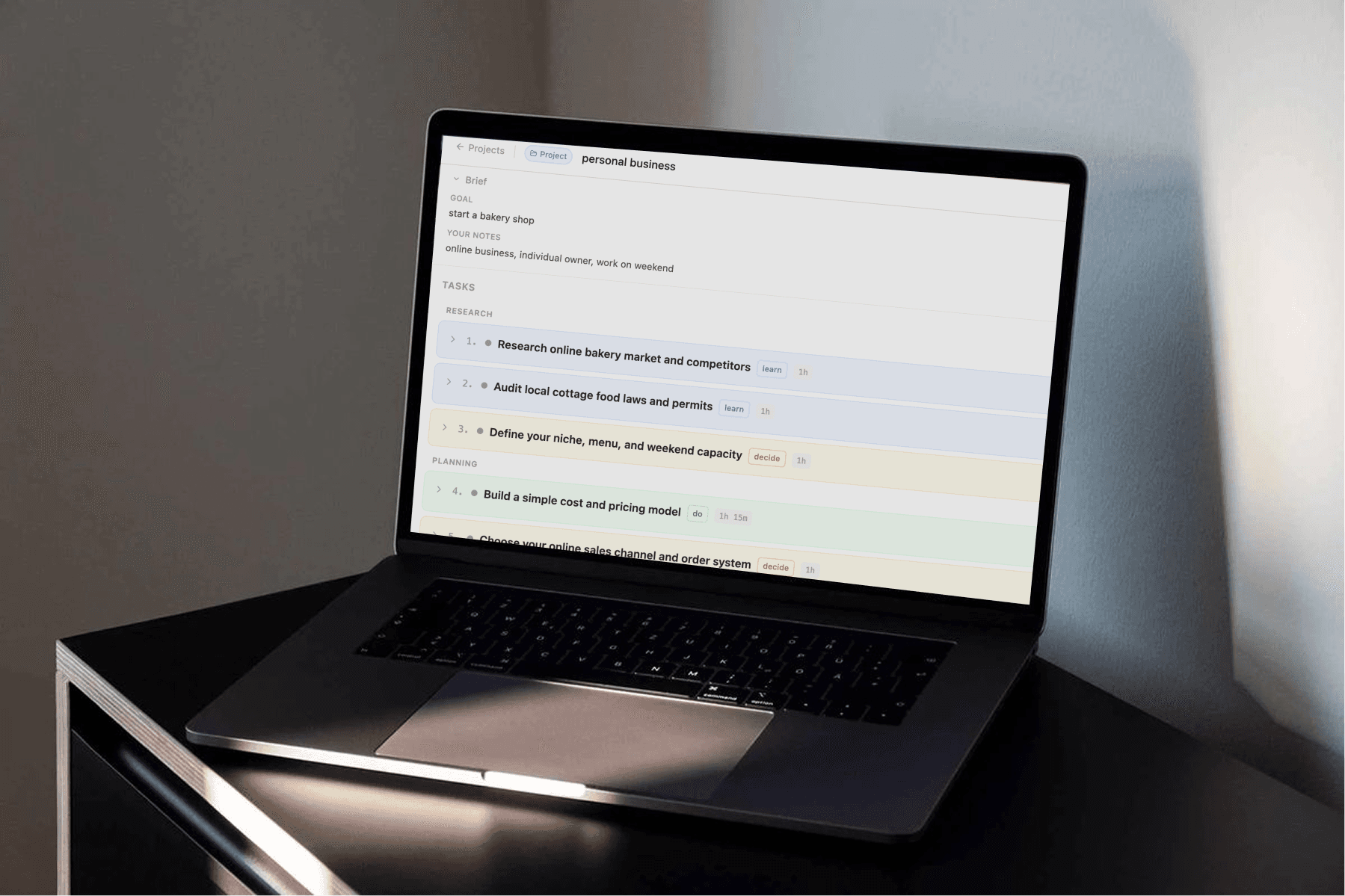
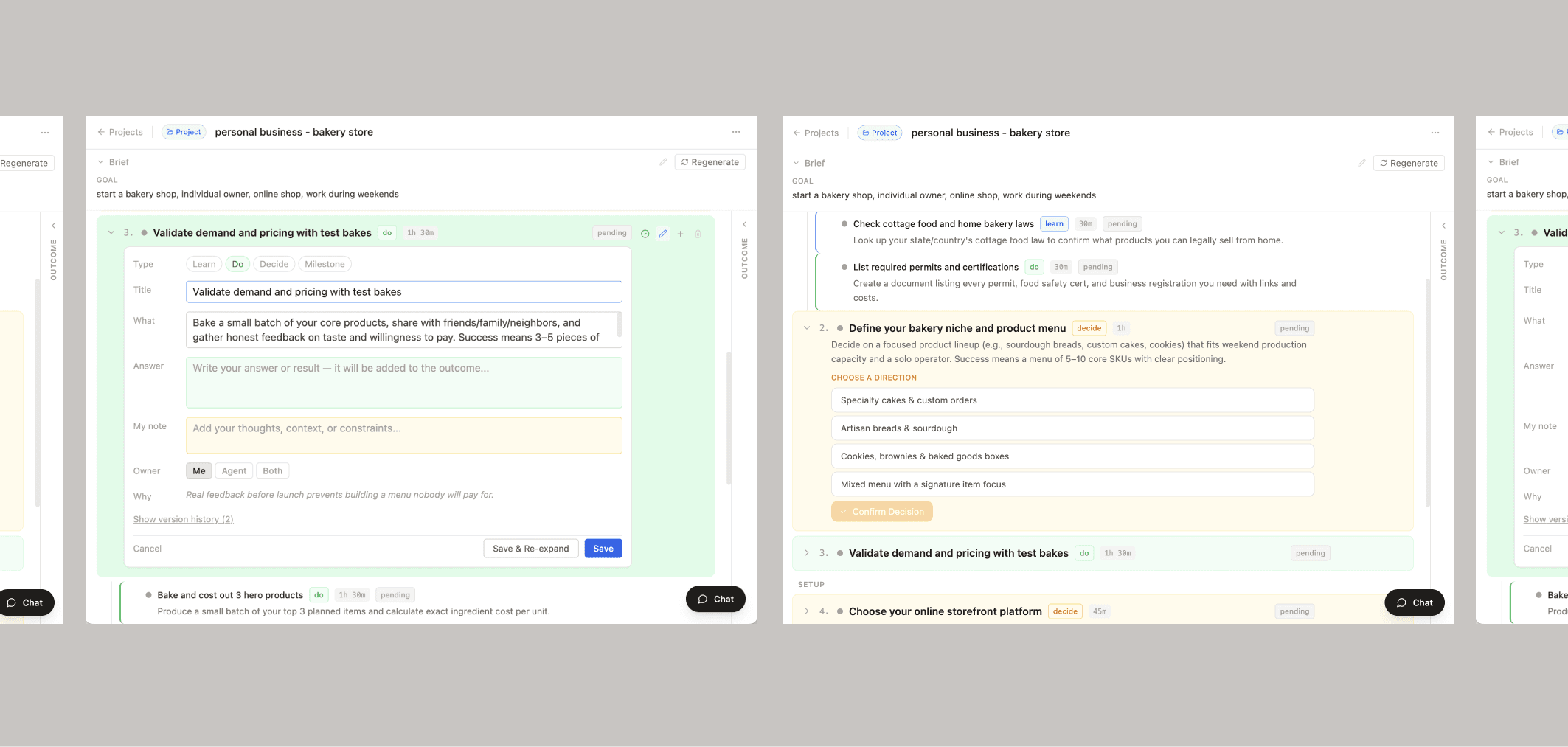
Stride translates intent into structured steps:
Breaks down goals into actionable tasks
Organizes dependencies and sequence
Suggests realistic starting points
Execution with Visibility
Unlike traditional agents, Stride keeps the process visible:
Users can inspect each step
Adjust or override decisions
Maintain control while benefiting from automation

Design Principles
1. Make execution visible
AI should not hide the process, but expose it.
2. Support momentum over perfection
The goal isn't optimal planning, but quick action.
3. Structure reduces friction
Clarity emerges when steps are organized.
Building Stride
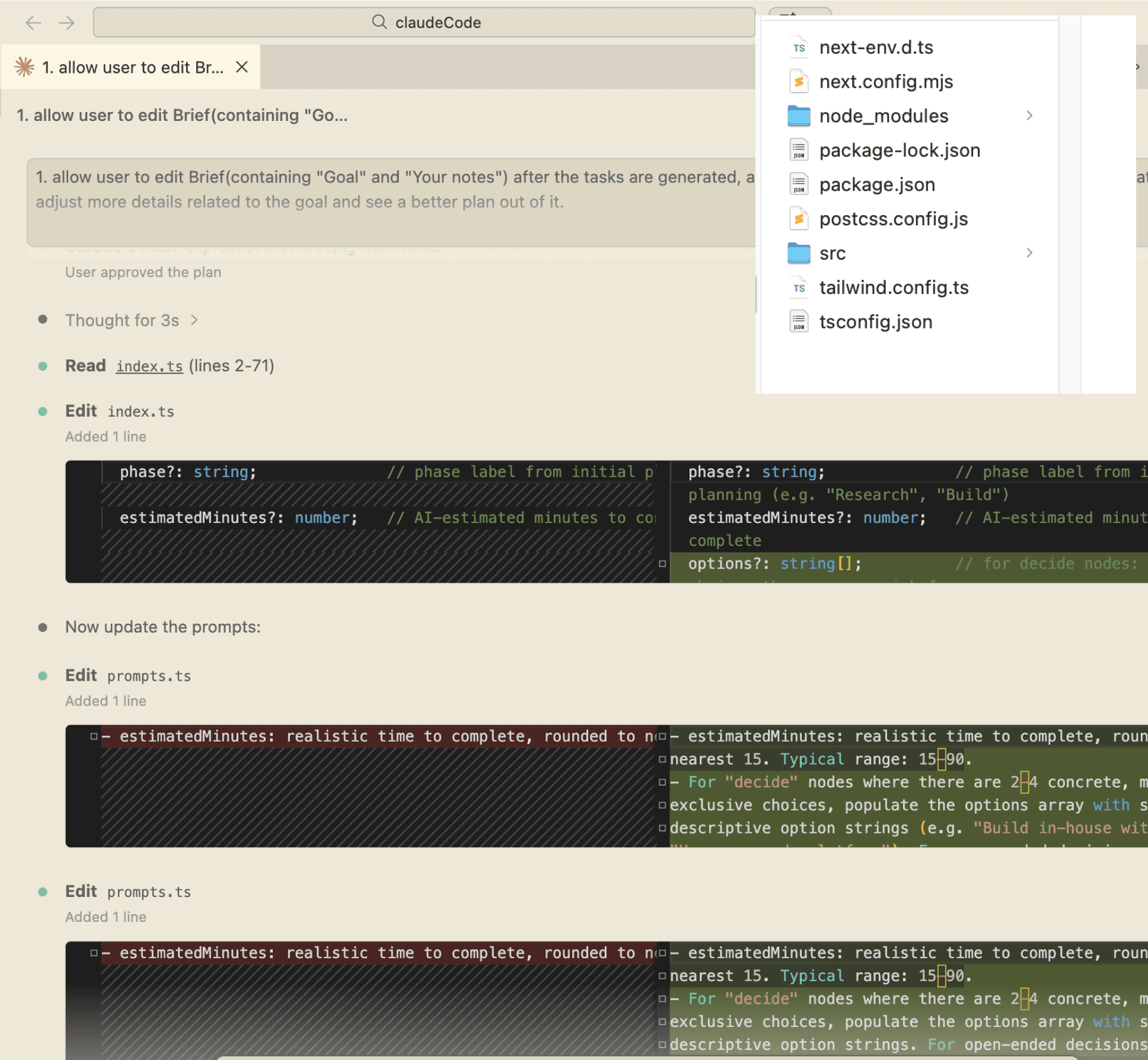
With no prior coding experience, I used AI tools to rapidly build Stride:
Defined system logic and task structure
Used Claude Code to generate functional flows
Iterated directly through making, not just designing
Reflection
This project shifted how I think about tools.
The most effective tools are not the most perfect, but are the ones that help ideas take the first step.
Stride is less about task management, and more about making execution feel possible.